
Recent Posts
Celebrating Carol Terry: A Life of Resilience, Leadership, and Impact
Date: June 23, 2026 This June, we celebrate the 80th birthday of Carol Terry — co-founder of the Wilson [...]
My Experience Being Pregnant With Wilson Disease
By Carly Albinder, LCSW, WDA Patient Education and Support Director When I started thinking about getting pregnant, I knew [...]
You Are Not Alone: Kelsey’s Journey With Wilson Disease
By Kelsey Pusillo, WD patient and WDA Patient Ambassador Coordinator Early Symptoms and a Life-Changing Diagnosis During my high [...]
EL-PFDD Meeting for Wilson Disease: Patients and Caregivers Make Their Voices Heard
By Edward Tabor, MD, and Sarah Wicks, JD, MPH The WDA organized and led a daylong “Externally-Led Patient-Focused Drug [...]
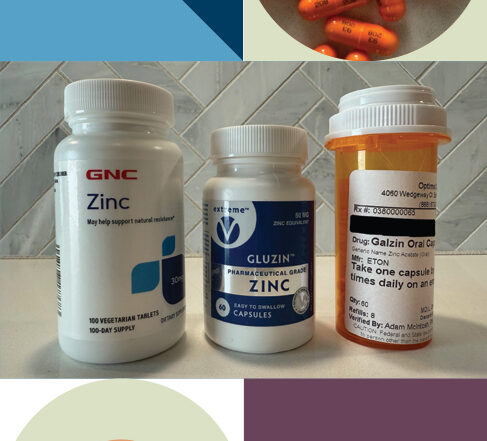
Zinc and Me
By Rhonda Rowland, WDA President After 20 years of taking over-the-counter (OTC) zinc to treat my Wilson disease (WD), [...]
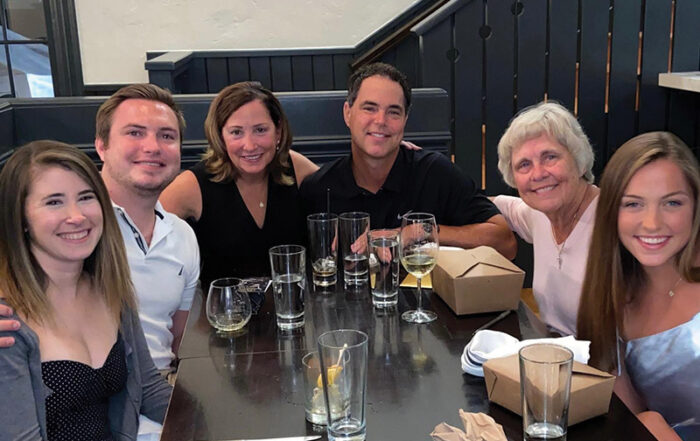
How One Family’s Wilson Disease Journey Led to a Transformative Legacy
By Rhonda Rowland, WDA President This past spring, I received a phone call that felt like being told we'd [...]
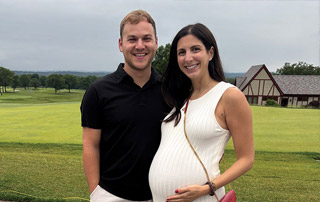
My Experience Being Pregnant With Wilson Disease
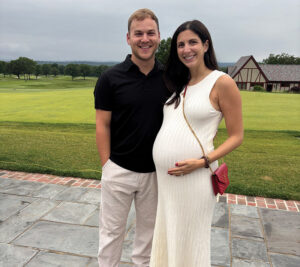
By Carly Albinder, LCSW, WDA Patient Education and Support Director
When I started thinking about getting pregnant, I knew my journey might look a bit different than most. Living with both Wilson disease and ulcerative colitis meant I would be considered high-risk, which felt daunting. Yet, my experience turned out to be far more positive than I had expected.
Building the Right Care Team
I was lucky to go into pregnancy in a really good place health-wise, especially with my liver. I think that made a big difference from the start. I decided to stay with my regular OB-GYN, whom I trusted and felt comfortable with, and also added a high-risk doctor (maternal-fetal medicine) who specialized in inflammatory bowel disease. Having both felt like the best of both worlds.
However, that meant a lot of appointments. Between the two teams, I had frequent check-ins, extra ultrasounds, and a higher level of monitoring overall. At times, it felt like a lot to manage, but instead of feeling anxious, I felt reassured knowing that everything with my baby and me was being watched so closely.
Managing Wilson Disease During Pregnancy
One of the easiest parts of my pregnancy was actually managing my Wilson disease. I stayed on my same medication regimen the entire time — 50 mg of zinc picolinate, three times a day. I followed up with my Wilson disease specialist throughout pregnancy with labs and 24-hour urine testing, just to keep an eye on my liver and make sure everything stayed stable.
A Surprising Moment of Dietary Flexibility
One thing that surprised me was that at one point, I was actually told to eat more copper. Since I started pregnancy with such stable liver function, I had a bit more flexibility with my diet than I expected. As most patients and caregivers know, keeping track of copper in your diet can be overwhelming at times, so it was a small win to be able to have more food freedom.
Navigating Breastfeeding and Medication Changes
The part that did feel stressful came later — figuring out breastfeeding. There really isn’t much research out there on people with Wilson disease during pregnancy. Because of that, my doctors didn’t have clear answers about how much zinc passes into breast milk or what would be safest for my baby.
After a lot of discussion, we came up with a plan. If I wanted to breastfeed, I would need to lower my zinc dose from 50 mg three times a day to just 25 mg once a day. I would stay on that lower dose for about a month after delivery, then do labs and a 24-hour urine collection to make sure my body was handling it okay.
It ended up lasting for about six weeks. While it was so hard physically and emotionally (thank you to my incredible lactation consultant!), it was still really special. In the middle of all the chaos of becoming a new mom, breastfeeding was such a meaningful way to connect with my daughter. I’m really grateful I had that experience.
And on a practical note, I actually loved only taking zinc once a day during that time. As a new mom, there’s already so much to think about. Because I had to remember to fast before and after each dose while I was hungry postpartum and trying to keep calorie intake up to produce milk, it was a real relief to only manage one pill per day.
After those six weeks, I went back to my usual dosing and followed up with labs and 24-hour urine testing again to make sure everything was still on track. Thankfully, everything looked good, and the transition back was smooth.
Reflections and Advice for Others
Looking back, a few things really stand out to me. Having a strong baseline going into pregnancy made a huge difference. However, I don’t want to discourage anyone from starting a family if you’re not quite there yet, health-wise. I worked very hard with my hepatologist and my gastroenterologist to create the best environment for a baby. It goes without saying that building a care team that I trusted — and that communicated well — was an important piece of the puzzle. And honestly, being open to a little flexibility along the way, with physicians available to answer my numerous questions, helped me navigate the unknowns.
There’s still so much that isn’t fully understood about Wilson disease and pregnancy, which can make the whole experience feel intimidating. As women with Wilson disease, we are all different. While it’s helpful to talk with others about their experiences, be sure to consult your doctor so they can help determine what’s best for you. But if my story shows anything, it’s that it’s possible to have a healthy, positive pregnancy — and even enjoy it.
If you’re living with Wilson disease and thinking about pregnancy or are currently pregnant, my biggest advice would be to advocate for yourself, ask questions, and build a team that makes you feel supported.
Today, my baby girl is a beautiful, happy 10-month-old who brings so much joy into our lives. She is a carrier of Wilson disease, something we’ll be mindful of as she grows, but it doesn’t define her in any way.
I’m so grateful for this journey and hope my experience offers reassurance to others navigating pregnancy with Wilson disease.